


How My Garden Grows: A Garden That Brings Everyday Life Closer to Nature
Architecture & Design / Garden & Outdoor Living
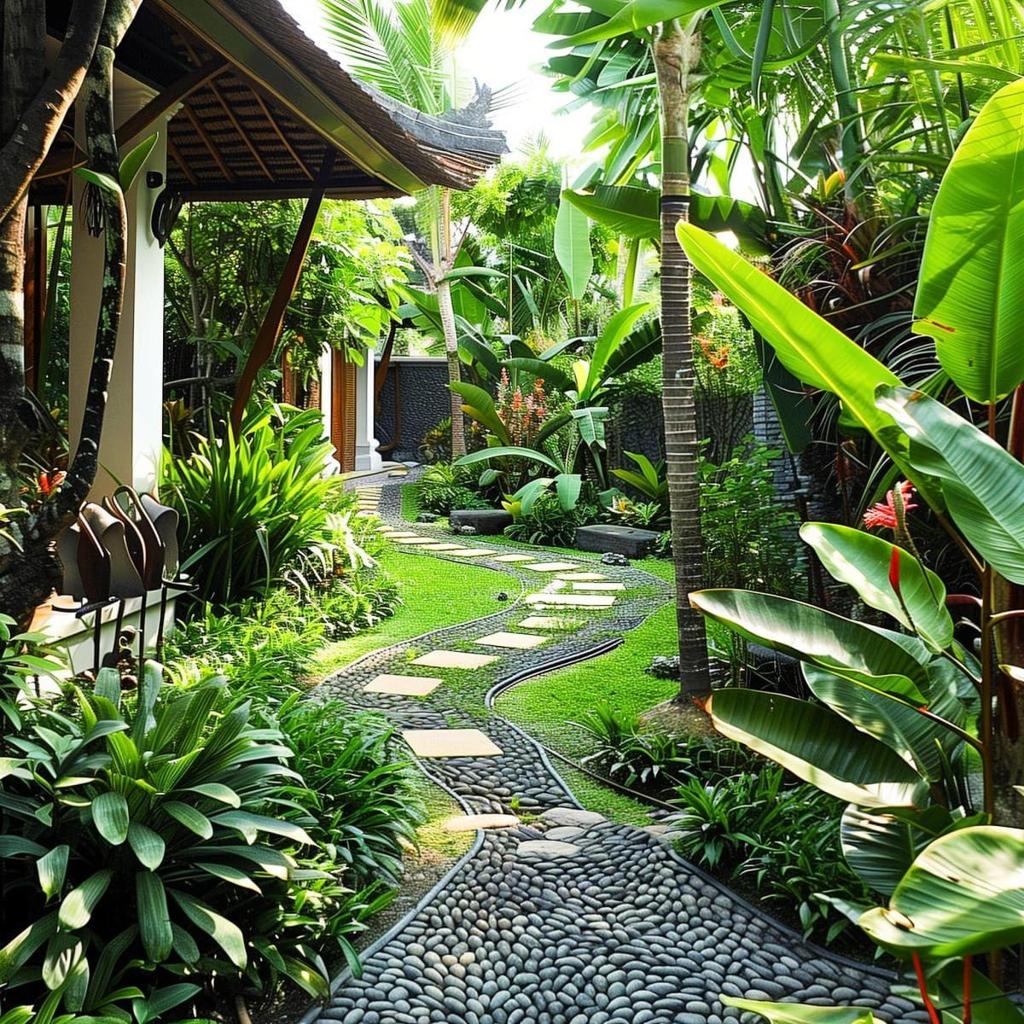
Ilustrasi suasana taman tropis untuk konsep artikel.
Words: RoraProperty Editorial
A garden is never quite finished. It changes with the weather, the seasons and the people who care for it. Sometimes, its greatest pleasure is not in how it looks, but in the quiet moments it brings into everyday life.
There is something special about a home with a garden. Beyond the walls and windows, there is another living space: one that grows slowly, responds to the weather and offers a different rhythm from the rest of the house.
In Indonesia, where the warmth of the tropical climate allows greenery to flourish throughout the year, a garden can become much more than an ornamental feature. It can be a place to begin the morning, enjoy an afternoon breeze, grow herbs for the kitchen or simply spend a little time outdoors.
Making room for green
A beautiful garden does not necessarily require a large piece of land. Even a modest courtyard, a narrow strip beside the house or a collection of pots on a terrace can become a meaningful green space.
The secret is to understand the character of the space before deciding what to grow.
A sunny corner might welcome flowering plants and herbs, while a shaded area beneath a tree could become home to ferns and other foliage plants. Climbing plants can soften a boundary wall, and larger leafy plants can create a sense of privacy without making the garden feel enclosed.
Rather than filling every available space, it is often better to allow plants room to grow and let the garden develop gradually.
Learning from the garden
Gardening is an ongoing conversation between people and nature. Some plants thrive where they are first planted; others need to be moved, pruned or given a different amount of sunlight.
Rainfall, drainage and soil conditions all influence how a garden develops. In a tropical setting, managing water is particularly important. Good drainage helps prevent roots from sitting in excess water, while organic matter can improve the condition of the soil.
There is also a pleasure in discovering which plants attract butterflies, bees and birds. A garden that welcomes wildlife brings movement and character to an otherwise quiet corner of the home.
Not everything has to be perfectly arranged. Sometimes, the most interesting gardens are those that have been allowed to grow with a little freedom.
A garden that gives something back
For some homeowners, the garden is also a productive space.
Pandan, lemongrass, chilli, basil and other kitchen plants can be grown close to the house, making them easy to reach when preparing a meal. A few fruit trees, depending on the available space, can provide shade as well as seasonal harvests.
It is a simple idea: to make the garden part of the everyday routine rather than a space that is only admired from a distance.
The pleasure of an unfinished garden
Perhaps the most appealing thing about a garden is that it is never truly complete.
A new plant changes the balance of a border. A tree grows taller and creates a different kind of shade. A favourite corner becomes a place to read, have coffee or talk with family.
Over time, the garden begins to reflect the people who care for it: their interests, patience and small discoveries.
And perhaps that is what makes a garden so personal. It is not simply designed and then left behind. It is lived in, tended to and changed.
A home may be defined by its architecture, but a garden gives it another dimension — one that continues to grow.
Garden notes: ideas to take home
1. Plant in layers
Combine trees, shrubs, ground cover and smaller plants to create depth.
2. Grow something useful
Try herbs and kitchen plants that can be harvested regularly.
3. Think about water
Consider drainage, rainwater flow and the needs of each plant.
4. Make it somewhere to stay
Add a simple seat or resting corner so the garden becomes part of daily life.
Editorial note: This is a conceptual article about tropical home gardens, not a report from a specific property visit or an interview with a named gardener.